Gauge and weight
Width, length, height, gross tonnage and center of gravity are the first vehicle selection data.

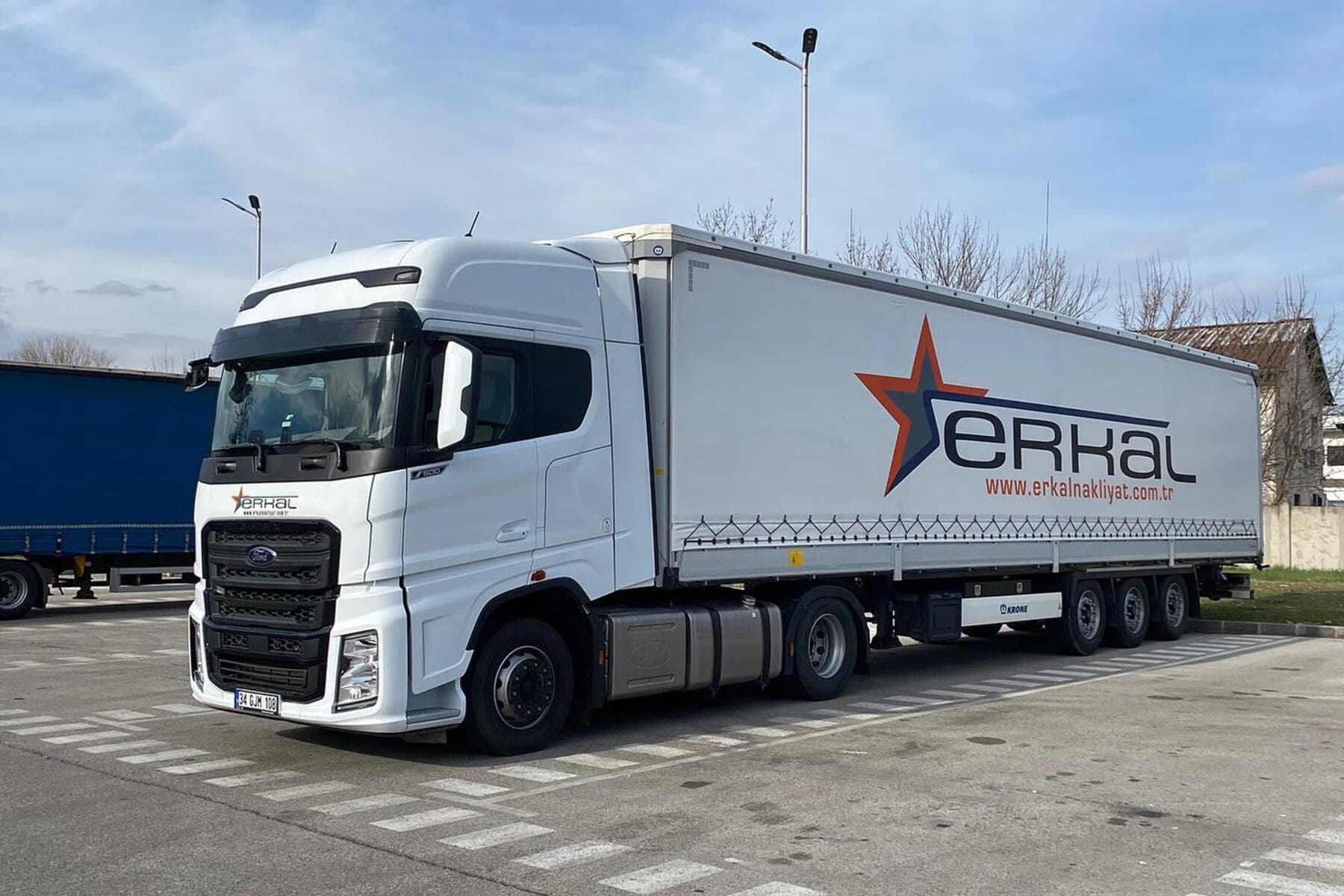
Planning inputs
Width, length, height, gross tonnage and center of gravity are the first vehicle selection data.
Cargo base, lashing points and loading method define whether lowbed or special equipment is needed.
We check bridge, tunnel, turns, city access and border procedures before departure.
Heavy cargo logistics
In heavy transport, we carry cargo that cannot move on a standard curtainside vehicle because of its tonnage, dimensions or site conditions, using special equipment, route control and permit processes. Industrial machines, production-line equipment, energy-investment parts, out-of-gauge cargo and freight that needs special lashing points are among the loads we handle in this scope.
As Erkal Nakliyat, for heavy cargo requests we do not look only at the destination country; we review the center of gravity of the cargo, lashing points, lifting equipment, road restrictions, city passages and border procedures together. Our goal is for the cargo to move with a safe, compliant and field-applicable plan.
Operations
Width, length, height, gross tonnage, center of gravity, photos and technical drawings form the basis of vehicle selection.
We determine the need for lowbed, special trailer, lashing equipment, crane or forklift according to the structure of the cargo.
We include bridge, tunnel, turn, city passage, height limit and border gate conditions in our operation plan from the start.
We clarify the loading and unloading site, ground conditions and safety instructions before the transport day.
Which cargo
We design heavy transport for cargo that does not fit a standard vehicle because of its tonnage, dimensions or structure. Industrial and production machines, work and construction machinery (excavators, bulldozers, mobile cranes), energy-investment equipment (transformers, generators, turbine parts), steel structures, mining equipment, along with large-diameter tanks, silos and boilers, are among the freight we handle in this scope. We review the center of gravity, lashing points and base of the cargo together and recommend the right equipment.
How it is planned
We start the heavy cargo plan with the gauge and weight of the cargo. Width, length, height, gross tonnage and center of gravity determine the lowbed, trailer type and axle count; the loading and unloading method (crane, forklift, pull-on loading, ramp) determines the site plan.
To this we add the bridge, tunnel, turn, height and tonnage limits along the route, city passages, the border procedure and the required special passage permits. When we check these points together in advance, we clarify how your heavy cargo will be planned and what determines its price.
Country lanes
Heavy and oversized cargo transport on the Italy line.
Heavy transport toward Romania and Central Europe.
Bulgaria heavy cargo departures on the Balkan line.
Heavy cargo transport toward Serbia and the inner Balkans.
FAQ
If available, yes. Dimensions, weight, lashing points, loading method and photos speed up the first review.
Permit or special passage procedures may be required depending on gauge, tonnage and route.
From our blog
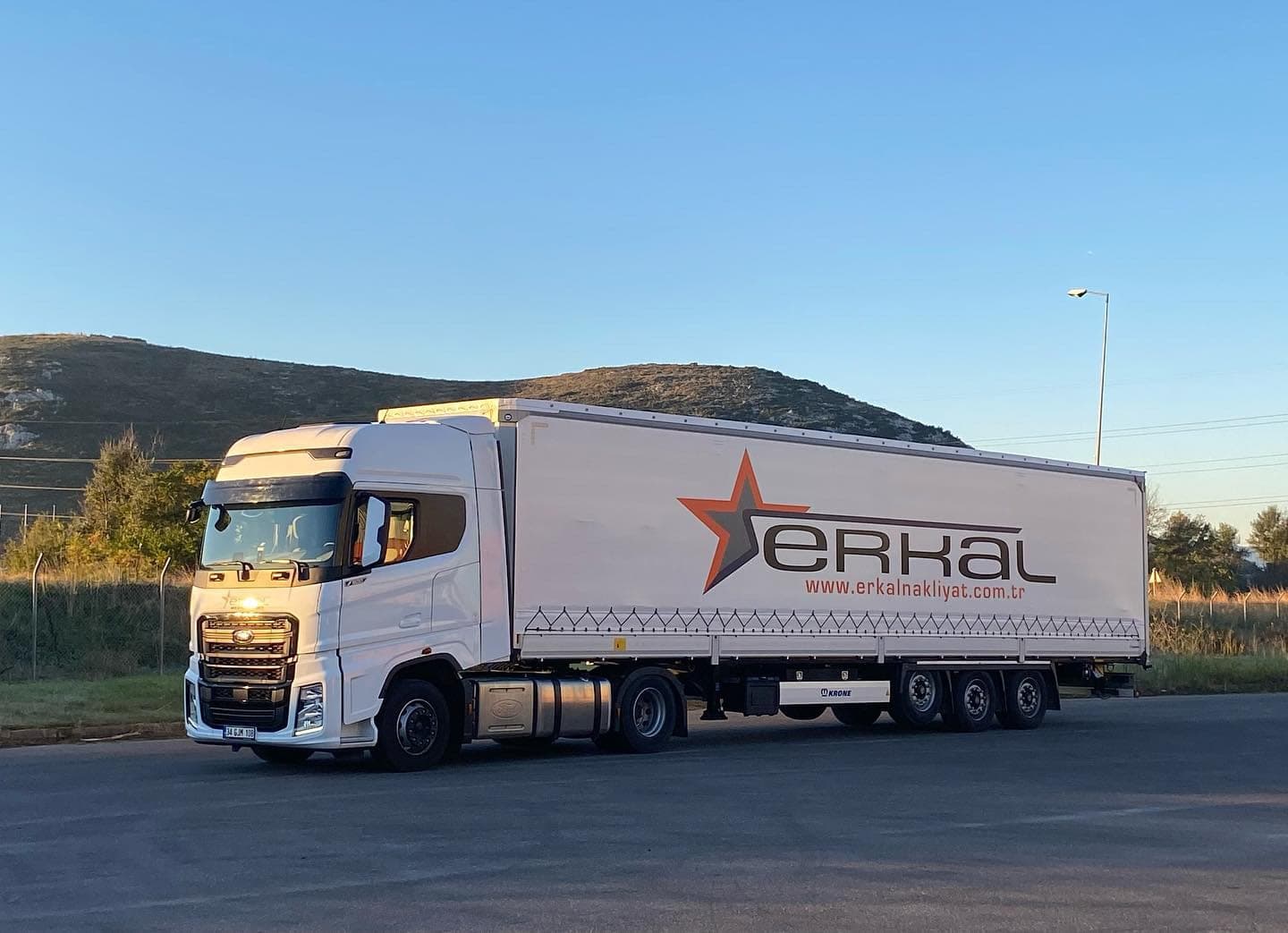
Legal limits, density, trailer type and delivery access — how we choose between standard, mega, refrigerated and lowbed equipment.
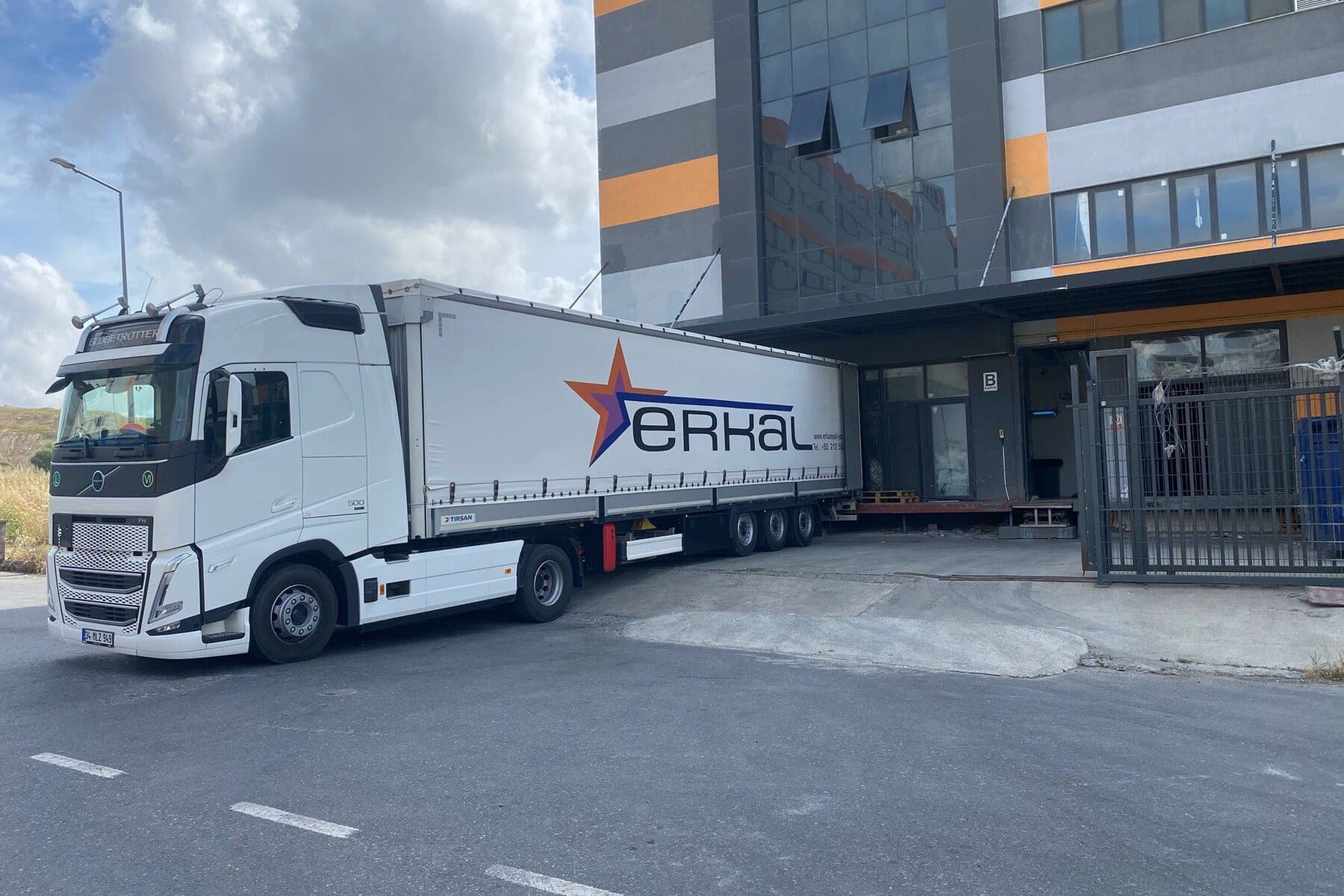
Where an abnormal load begins under Directive 96/53/EC, the six things we survey first, and why permits belong in the schedule.
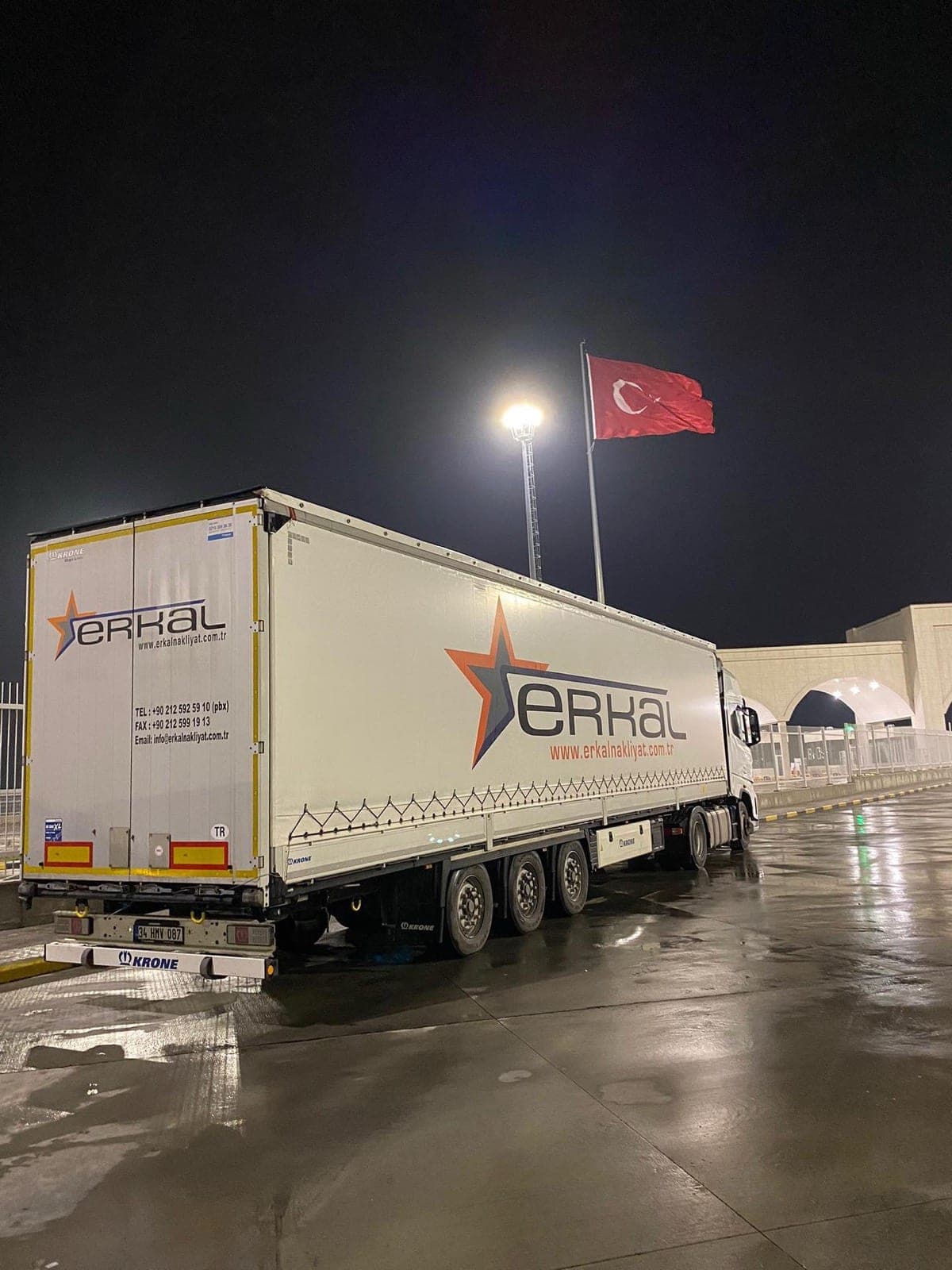
Border crossing, A.TR or EUR.1, delivery access and unloading method — how a Türkiye–Greece road shipment should be prepared.
We review gauge, tonnage, loading point and delivery address together for vehicle, route and permit needs.