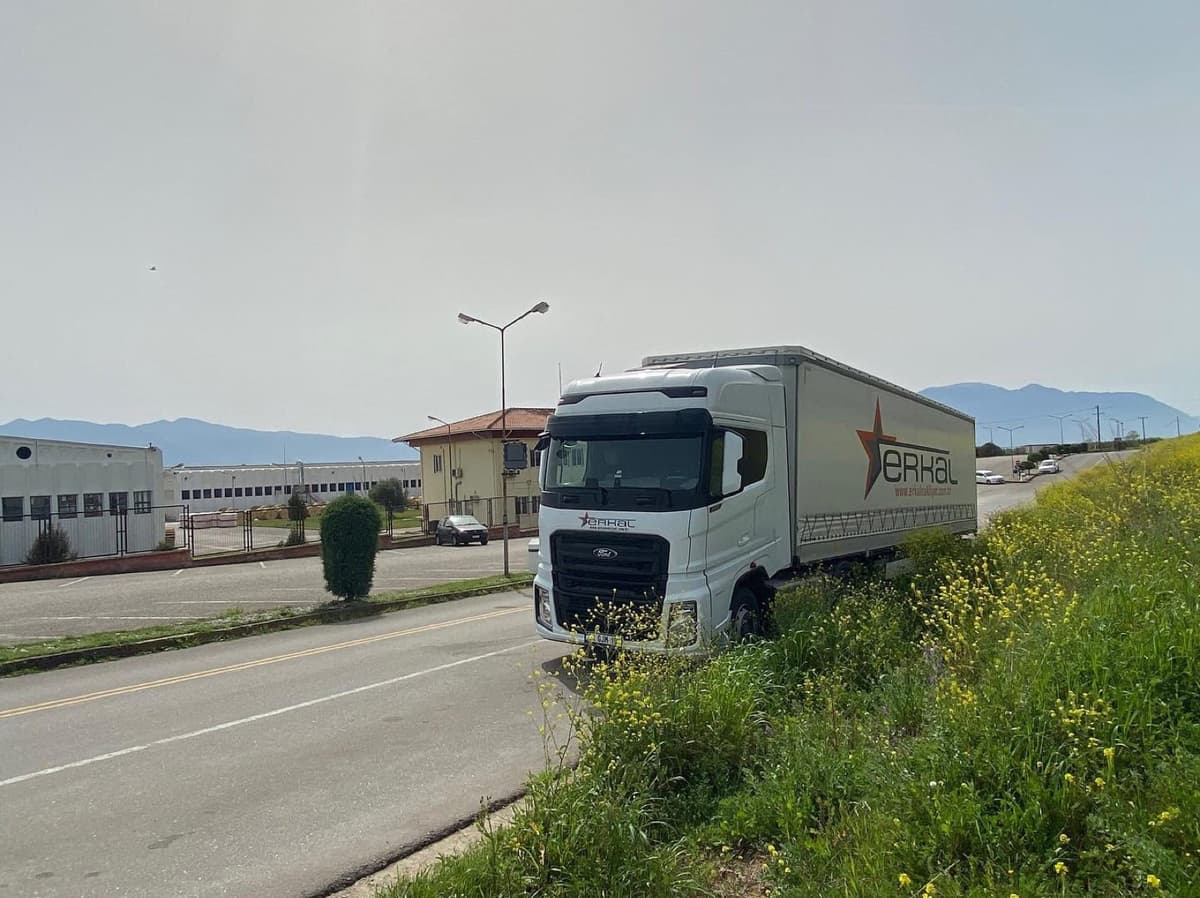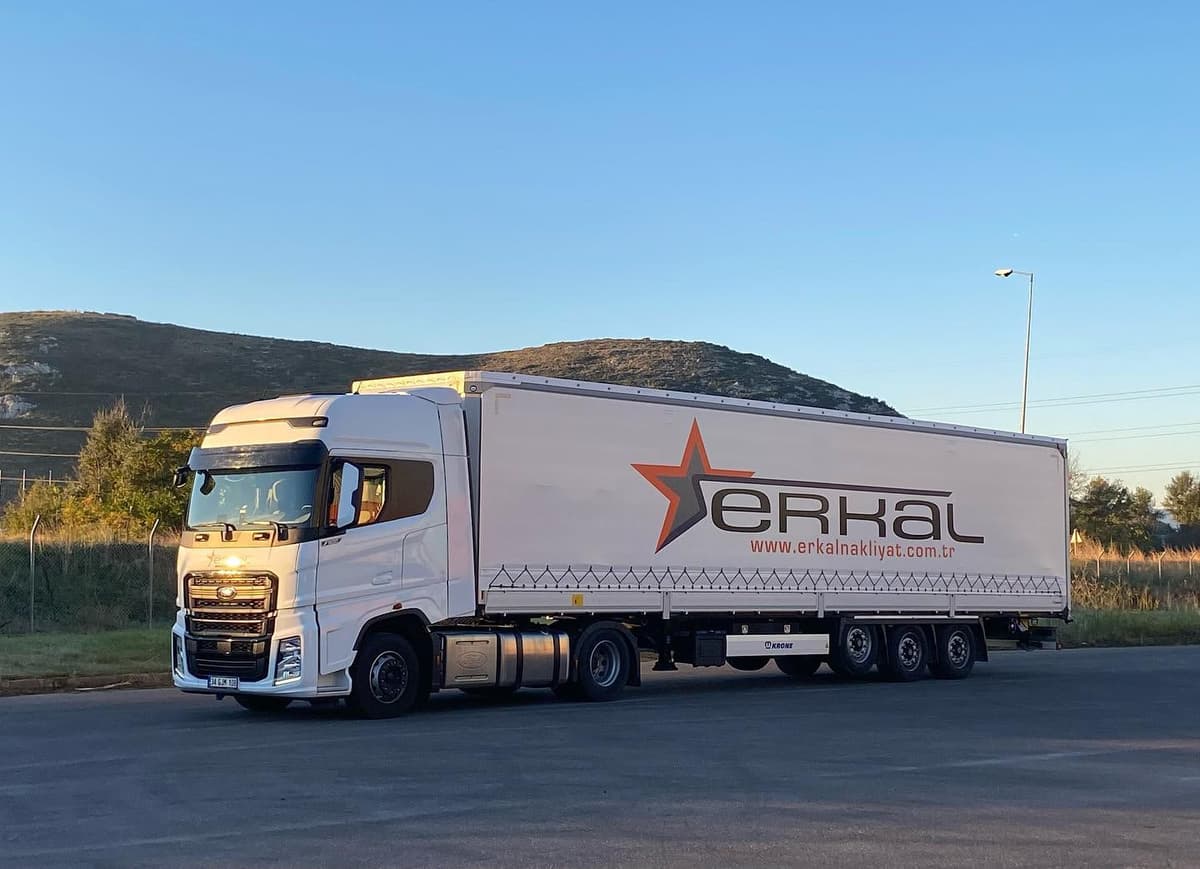
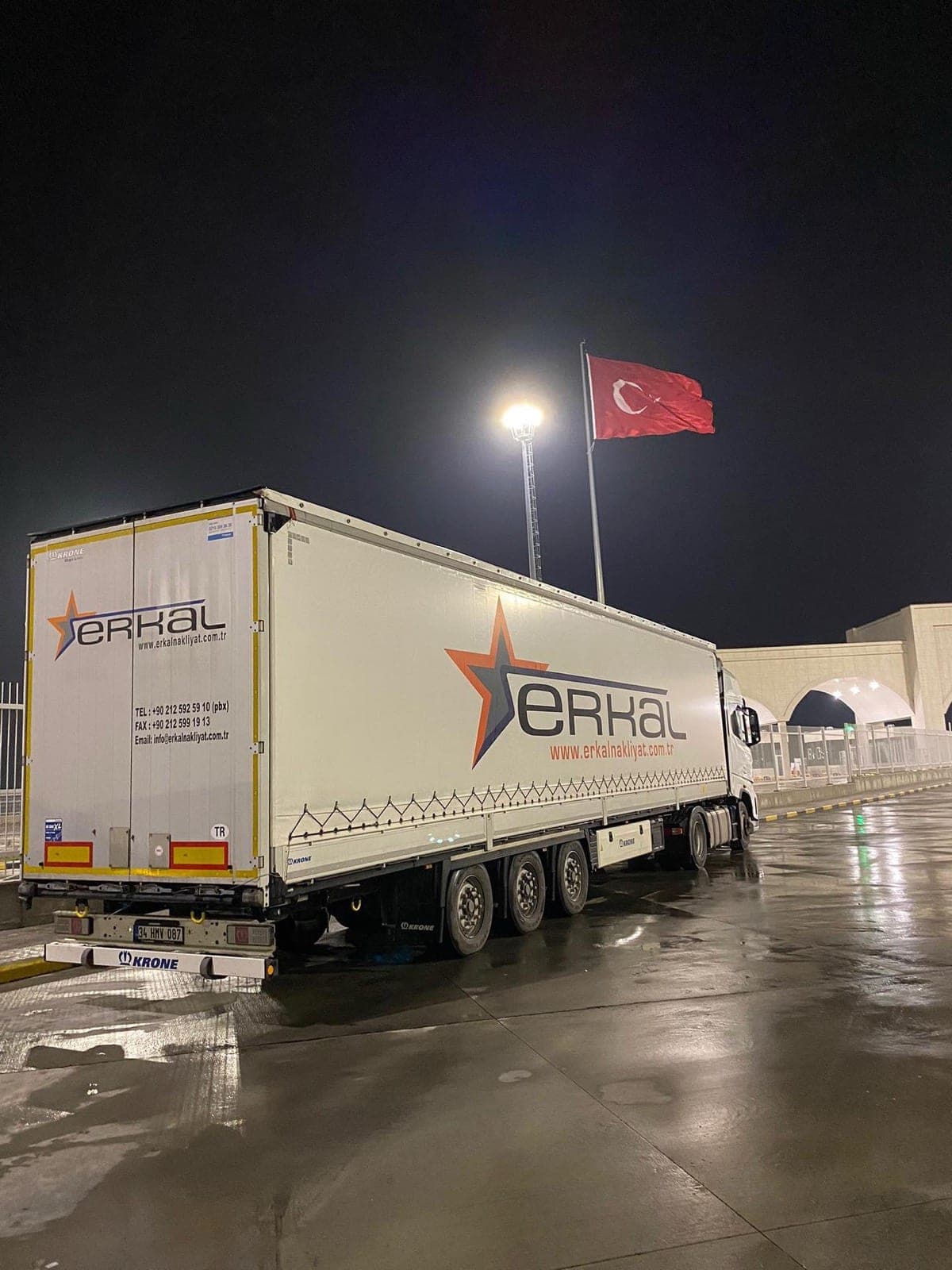
Greece is the shortest European road lane out of Türkiye. Being short makes the run easier; it does not make it simple. The border post, the document set and the delivery address still decide how the shipment goes.
Most of what goes wrong on this lane goes wrong before the truck moves — at the border post, in the document set, or at an address nobody thought to check.
The crossing: İpsala–Kipoi
Two land border posts connect Türkiye to Greece:
- İpsala — opens onto the Greek post at Kipoi. Commercial vehicles and heavy goods traffic cross here.
- Pazarkule — opens onto Kastanies, and mainly serves passenger traffic.
For a loaded semi-trailer there is one address: İpsala. Queuing time varies by day and season, so the crossing, not the distance, sets the estimated arrival.
Documents: A.TR or EUR.1?
Greece is an EU member, so EU–Türkiye Customs Union rules apply:
- Industrial goods in free circulation move under an A.TR movement certificate. It proves free circulation; as the European Commission sets out, it does not prove origin.
- Unprocessed agricultural goods and products on the former ECSC lists travel on a EUR.1 instead.
Alongside these travel the commercial invoice, the packing list, the export declaration and the CMR consignment note. The product group may add a health certificate or a certificate of conformity — hence the HS code, which we ask for first.
Delivery address: the variable that moves most
Greek industry clusters in a few centres — Athens, Thessaloniki, Piraeus, Patras, Larissa, Volos — but the consignee need not sit in any of them. Before a delivery plan is drawn, we ask:
- Can a truck reach the address? A semi-trailer of up to 16.50 m under Directive 96/53/EC will not enter every industrial estate.
- How will the goods come off — ramp, forklift, or by hand?
- Is the warehouse appointment-based? What is the window, and who books it?
- Are there time restrictions on heavy vehicles entering the town?
- Who is the contact person, and what is the number?
Where those five go unanswered, the vehicle arrives and waits — which costs money and moves every delivery behind it.
Partial or full load?
The short lane makes partial transport attractive for low-volume but regular flows. As a rough guide:
- A few stackable pallets → partial
- Bulky, sensitive or deadline-critical goods → full truckload
- Temperature-controlled food → refrigerated full truckload
Pallet count alone does not decide. Tolerance to transhipment, the delivery date and the consignee's appointment flexibility all enter.
Checklist before dispatch
- Collection and delivery address (the full address, not the city)
- Pallet or carton count with individual dimensions
- Gross weight, cubic metres, loading metres
- Packaging type and stackability
- Product group and HS code
- Whether an A.TR or a EUR.1 is required
- Quantities and weights agreeing across invoice and packing list
- Delivery appointment and unloading method
- Incoterms and who is responsible for clearance
With that list complete, vehicle, departure date and delivery method are settled at the first call.
On this lane we weigh partial loads to Greece against full truckloads to Greece according to your dimensions and your delivery expectation. Send the measurements and the ready date through the quote form.