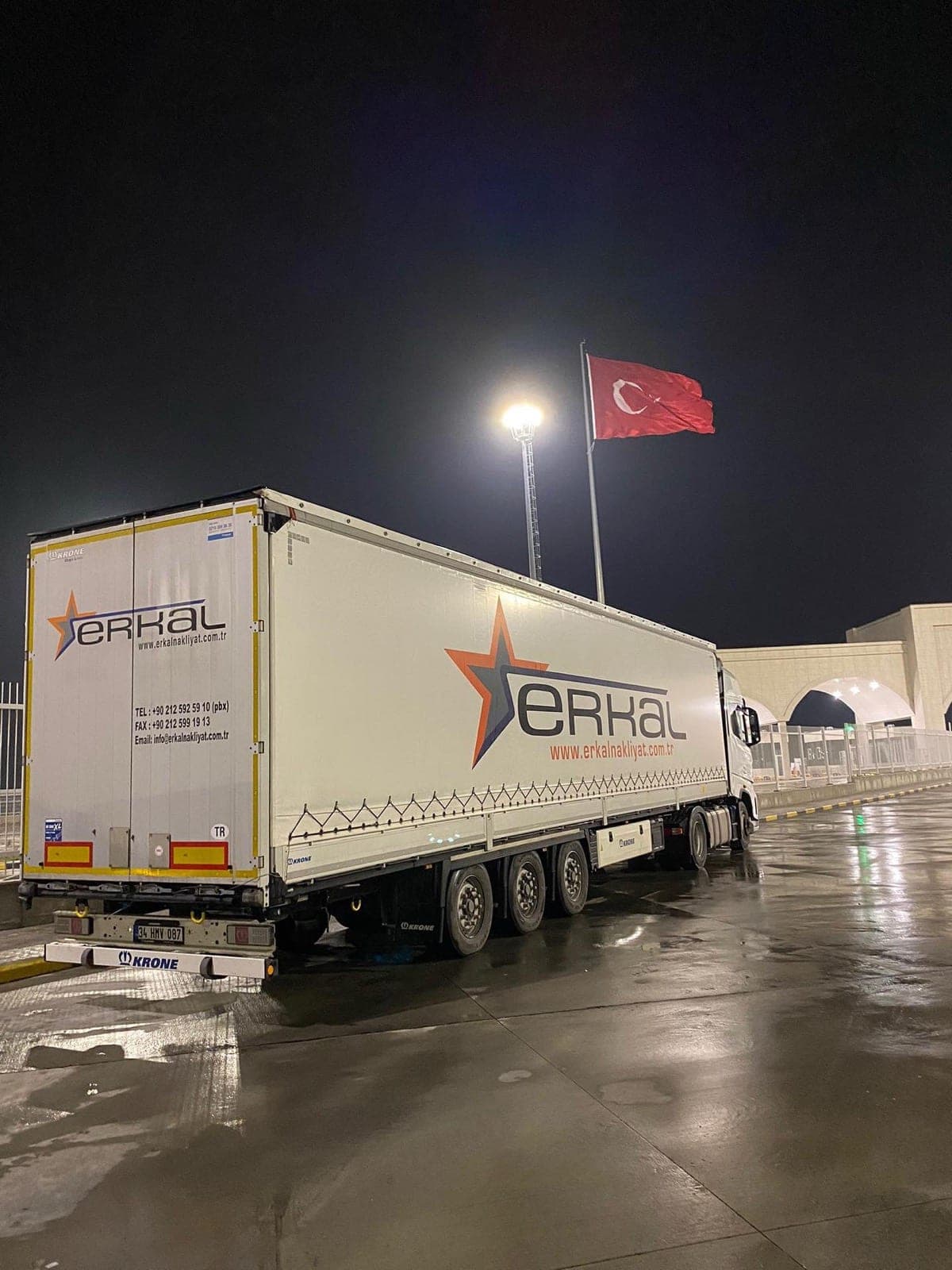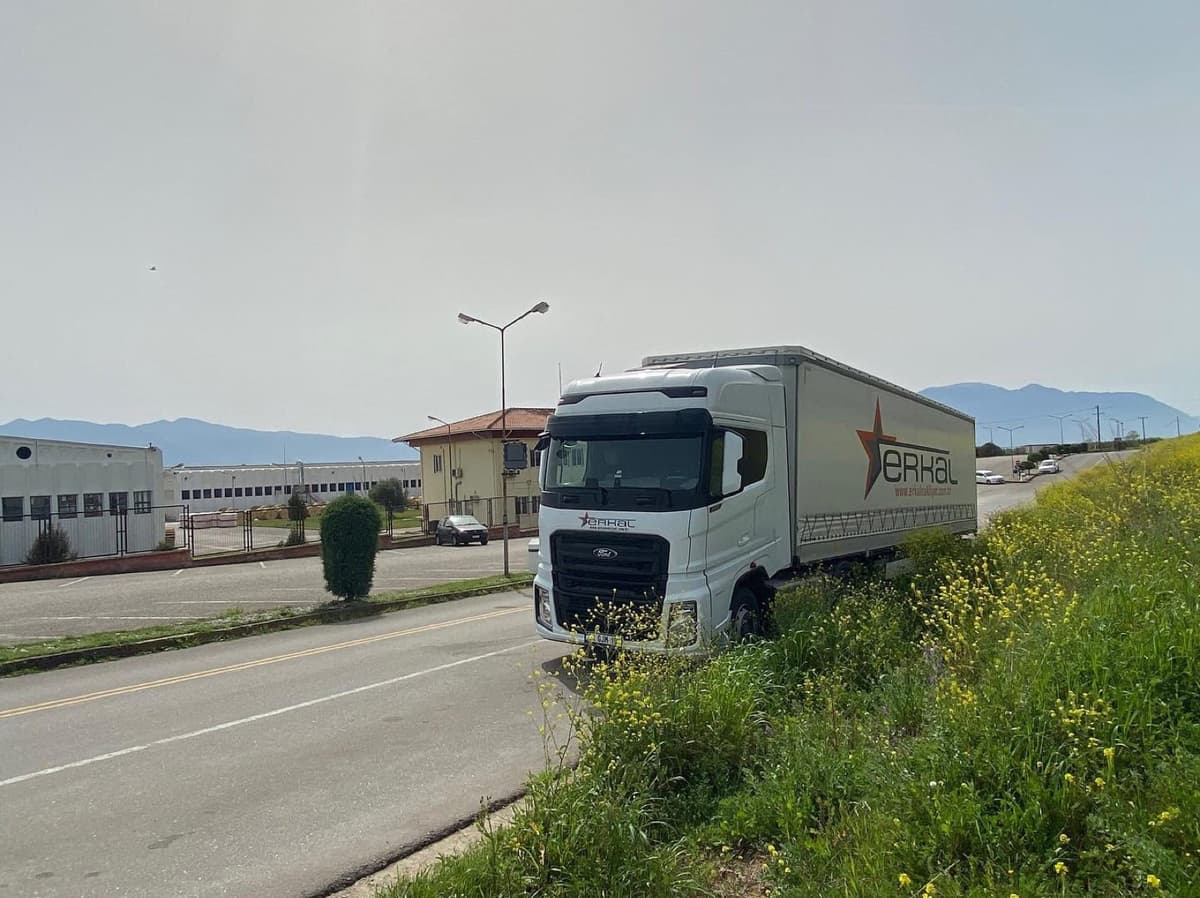

"Where is my cargo?" is not answered by a point on a map. The position matters less than when the vehicle will reach the delivery address from there — and that depends on how far the driver is legally permitted to travel.
An honest answer therefore has two halves: where the vehicle is, and what the tachograph will allow it to do next.
Driving hours set the arrival time
On international road transport the driver's working and rest periods are governed by the AETR agreement, mirrored inside the European Union by Regulation (EC) No 561/2006, and recorded by the tachograph:
| Limit | |
|---|---|
| Daily driving | 9 hours (10 hours twice a week) |
| Weekly driving | 56 hours |
| Fortnightly driving | 90 hours |
| Break | at least 45 minutes after 4.5 hours of driving |
| Split break | 15 minutes plus 30 minutes |
| Daily rest | at least 11 hours (reduced: 9 hours) |
| Weekly rest | at least 45 hours (reduced: at least 24 hours) |
That table sets the ceiling on how far a vehicle travels in a day. On a run from Türkiye into Europe, much of the transit time is spent stationary. So "the truck is en route but not moving" is usually not a problem. It is a compulsory rest.
Why the ETA moves
An estimated time of arrival is a calculation, not a promise. It is recalculated whenever one of these changes:
- Queues at the border post — customs processing times vary within a single day.
- The driver's rest schedule — how close to a compulsory rest the vehicle reaches the frontier decides that day.
- Consolidation — on partial traffic the vehicle waits for the other consignments.
- The delivery appointment — at an appointment-based warehouse an early vehicle still waits for its slot.
- Weather and road conditions — on the Balkan crossings, pronounced in winter.
An honest update names which of these has come into play. It does not simply issue a new hour.
The milestones we report
- Goods received — cargo collected, dimensions and quantities confirmed.
- Departure — vehicle on the road, registration and estimated border arrival shared.
- Border crossing — customs formalities complete, transit opened.
- Entry into the destination country — delivery appointment confirmed.
- Delivery — unloading complete, CMR signed.
On partial consignments the grouping step at the consolidation warehouse is added. Deciding early which points you want removes the "any news?" correspondence entirely.
What tracking data does not show
A telematics system reports position, speed and standing time. It stays silent about the rest:
- It does not show the physical condition of the goods. Damaged packaging is invisible on a tracking screen.
- It does not show the temperature record; on refrigerated work that is a separate system.
- It does not show how many vehicles are queued ahead of yours at the border.
We therefore place the tracking screen alongside contact with the operations team, never in place of it.
Who informs whom
A shipment usually has three parties: consignor, consignee and carrier. Who books the delivery slot, who reports a delay, and who is called if something goes wrong during unloading must be settled before departure. Answering those three early recovers most of the hours otherwise lost on delivery day.
We agree at the outset at which stages you want to be told what. The reporting flow runs differently across logistics and warehousing and groupage and consolidation. Otherwise the operations team is on the contact page.